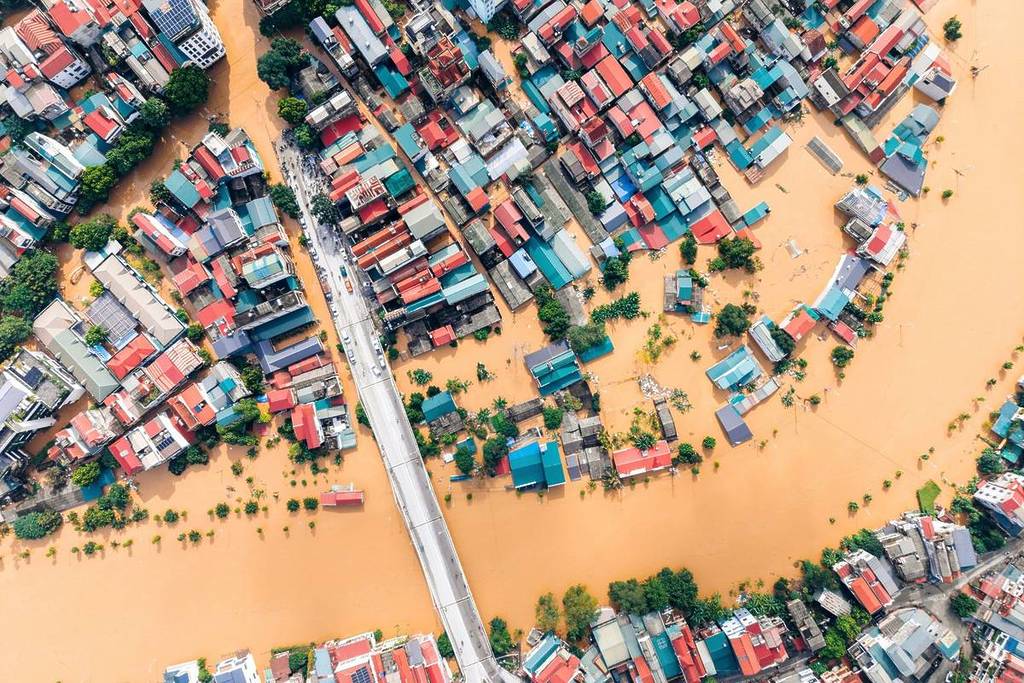
Asia is in the grip of a climate crisis and the deadly floods sweeping across the region in late November and early December 2025 are the clearest evidence yet. From Thailand to Sri Lanka, Indonesia, Vietnam, and other neighbouring nations, extreme rainfall has turned towns and cities into inland seas, wiping out homes, killing thousands, and displacing millions as extreme weather continues throughout the region. Here’s what we know about the climate crisis in Asia and we analyse whether Singapore will be affected by this kind of flooding.
What’s really going on with the deadly floods in Asia?
Cyclone-fueled storms and record monsoon rains have triggered catastrophic flooding and landslides in Indonesia, Malaysia, Thailand, Sri Lanka, and Vietnam—over the past two weeks. Officials report that hundreds are still missing and deaths now exceed 1,000 at the time of writing, with large areas in each country still under water. In fact, Sri Lankan officials say it’s the largest and most challenging natural disaster in their history—and the worst natural disaster since the 2004 tsunami.
Meanwhile, the city of Hat Yai in southern Thailand had its heaviest downpour of rain in at least 300 years after 335 millimeters of rain fell in a single day. In turn, water levels rose as high as two metres which cut power and road access. Similarly, entire neighbourhoods in Indonesia’s North Sumatra and Aceh have been swept away and major highways are buried in mud and debris.
Additionally, humanitarian agencies say more than four million people across Southeast Asia have been affected. There are urgent calls for food, shelter, and clean water as rescue teams struggle to reach isolated communities.
Why these floods prove Asia is in a climate crisis
Scientists and regional climate agencies warn that these floods fit a clear pattern: Asia is warming faster than the global average, intensifying heavy rainfall events, and magnifying the damage when storms make landfall.
The World Meteorological Organisation’s latest report notes that rising temperatures are increasing the risk of extreme rainfall, especially when natural cycles like La Niña combine with warmer oceans to load storms with more moisture. Therefore, monsoon seasons could turn into multi-country disasters in the future.
The 2025 Asia floods are a stark preview of what unchecked climate change could bring for millions living in low-lying cities, river deltas, and coastal communities. Experts say that without rapid cuts in greenhouse gas emissions and heavy investment in flood defence, early-warning systems and resilient housing—once in a century events could become more regular in Asia.
Could Singapore be hit by floods like these?
This week’s Singapore flooding due to heavy rain has so far been localized rather than nationwide. However, experts warn that climate change is making intense downpours more frequent and even with major investments in drainage upgrades, pumping stations, and coastal defence—it is impossible to prevent all floods. Meanwhile, studies highlight Singapore as one of Southeast Asia’s high-risk cities for extreme rainfall and rising sea levels. Therefore, residents should expect more flash floods in low-lying areas when regional storms pass by.
SEE MORE: Singapore’s Secondary School Students Face Total Ban On Smartphones From 2026