

The global aviation industry is heading towards an unprecedented catastrophe, triggered by the ongoing conflict between the US, Israel, and Iran, which has forced the closure of the Strait of Hormuz. As a result, the International Energy Agency (IEA) has just sounded the alarm that Europe only has six weeks of jet fuel remaining. As European carriers scramble to save supplies by cancelling flights and removing routes, the panic is rapidly spilling over into our own airspace. Here in Singapore, home to one of the world’s busiest transit hubs, the immediate question on our minds is: Is Asia next? Here’s what we know.
Should Asia be worried about a jet fuel shortage like Europe?
The short answer is yes, and perhaps even more than Europe. The Asia Pacific region relies heavily on Middle Eastern oil to keep its planes flying and international travel thriving. With the Strait of Hormuz blocked by ongoing tensions, that vital fuel supply is now completely cut off.
The Head of the IEA has warned that Asian countries, particularly India, Pakistan, Japan, and China, are on the front line of this massive energy crisis. Plus, he called it the largest energy crisis we have ever faced globally. Meanwhile, more than 100 oil tankers are currently trapped in the Middle East unable to work and global markets are losing up to 15 million barrels of oil per day.
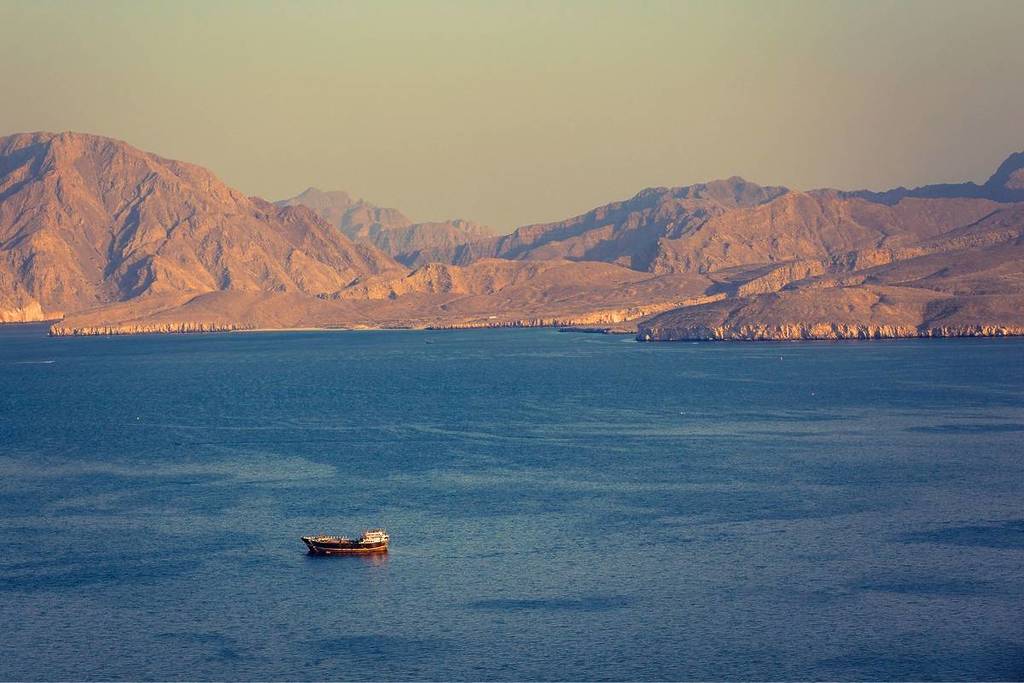
If alternative supplies aren’t found soon, travellers here could see grounded flights and soaring ticket prices even faster than in Europe. Plus, industry analysts project it will take months for other supplies to even reach Asian markets if the war ends soon.
Here’s the immediate reality for travellers:
- Skyrocketing Costs: Global jet fuel prices have surged roughly 140% per barrel.
- Massive Surcharges: Airlines are passing the costs directly to consumers.
- Flight Cancellations: Carriers are already rationing fuel by cutting routes and cancelling thousands of flights weekly.
Unfortunately, these agonizing costs are being passed down to flight consumers worldwide. And with fuel surcharges continuing to skyrocket, passengers across Asia should brace for more abrupt flight cancellations, volatile pricing, and the possibility of missing out on your summer 2026 travel plans. So it’s probably best not to book flights from Changi Airport to Europe just yet!
Update: Reports are emerging that the Strait of Hormuz has officially reopened to commercial vessels on April 17, 2026, due to a newly brokered regional ceasefire. With a huge supply backlog and heavily depleted reserves worldwide, it will still take weeks for Asians supply chains to fully stabilize if the Strait remains open.