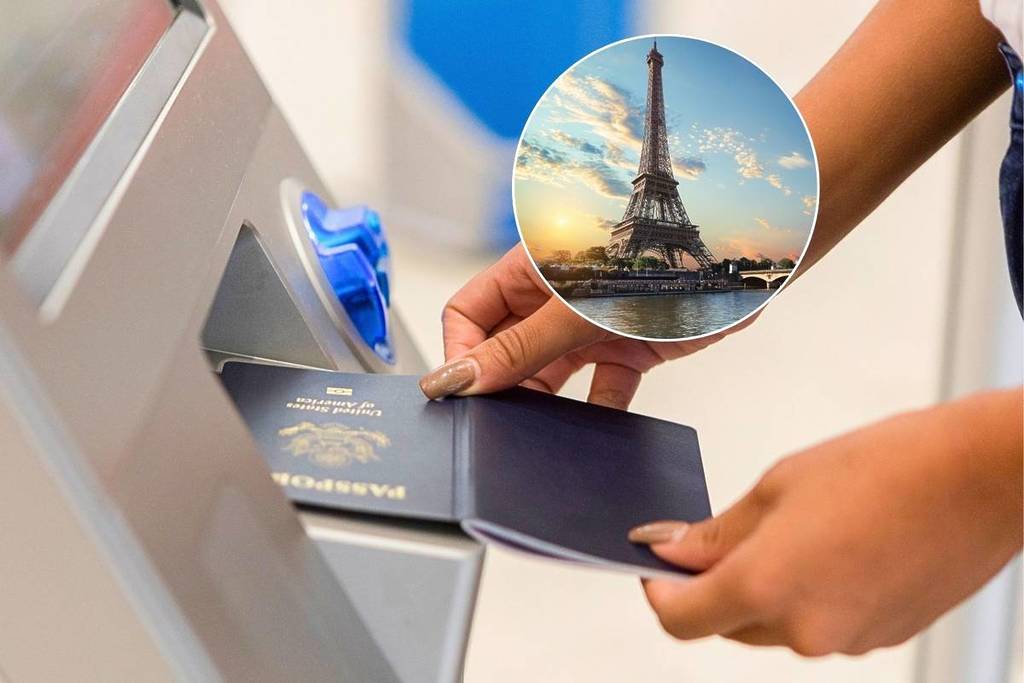
The European Union’s new digital border system, know as the Entry/Exit System (EES), has just gone live on October 12, 2025. This new system is set to impact all travellers from Asia visiting Europe for short stays. International travellers heading to 29 top destinations like Italy, Spain, Germany, France, and others in the Schengen Area must now have their biometric data electronically registered the first time they enter the region—eliminating the old passport stamp. In fact, we reported last month that this system promised smoother future journeys and greater security—but the initial rollout phase is causing considerable disruptions at major European airports and border crossings. Here’s what you need to know about the EU border delays.
Why are travellers facing up to 4-hour delays at European airports?
International travellers must now have their biometric data, such as fingerprints and facial images, electronically registered upon arrival under the new Europe travel rules. Resultingly, travellers are reporting severe delays of up to four hours at border controls within key entry points in Southern Europe this week. For instance, Italy’s Fiumicino and Malpensa airports, Spanish ports, Stuttgart Airport in Germany, and Sweden’s Arlanda Airport have reported delays.
These delays have mostly occurred when multiple flights land in close succession, overwhelming border checkpoints as staff and systems adjust to the new biometric and digital requirements.
The EES technology aims to streamline border crossings by replacing manual inspections and physical passport stamps with electronic verification. Once biometrics and passport data are registered, future entries and exit should be quicker for non-EU visitors.
However, the initial 6-month phase, running until April 2026, is expected to bring periodic delays. Particularly, this will occur at high-traffic airports and some land border crossings. Meanwhile, each EU country will progressively activate the system during this period.
Certainly, the EU’s new digital border system will make travel in and out of Europe more efficient and secure in the future. But for now, travellers entering busy airports in these regions are encouraged to allow extra time for onward travel and connections due to these EU border delays. Find key information on Europe’s new travel rules here.
SEE MORE: Singaporeans Must Pay $30 To Enter Europe Under New Rules From Late 2026