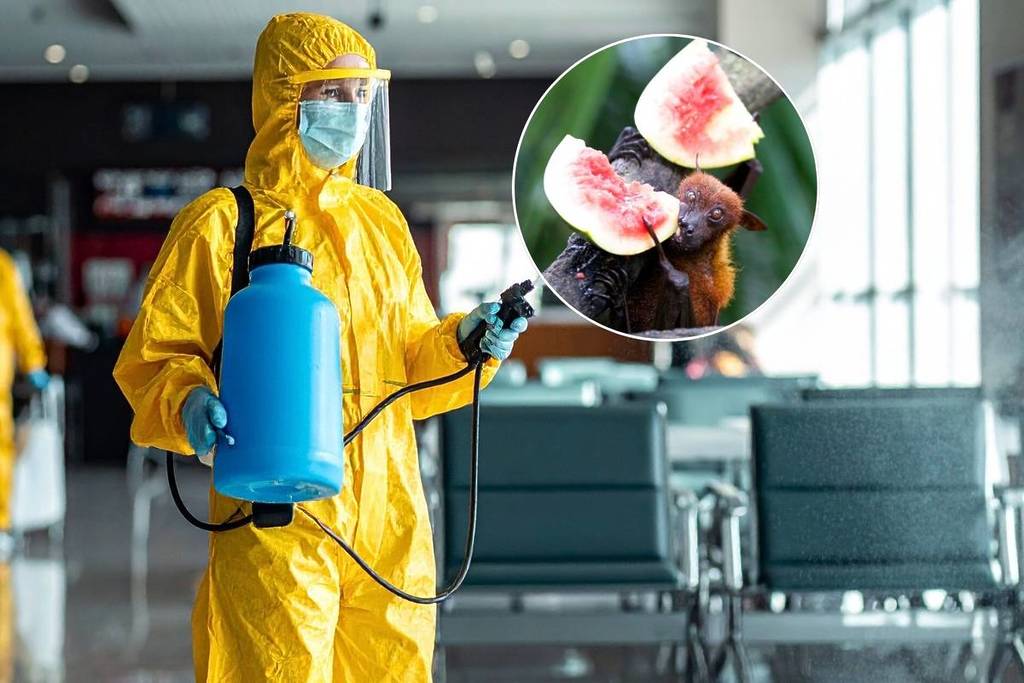
Nipah virus is once again on the radar in Asia, as fresh cases in India spark worries about whether this deadly but rare disease could spread further across the region and disrupt travel just as the busy Lunar New Year approaches. Airports across the region have introduced covid-style health checks with temperature screenings, health declarations, and tighter border surveillance to stop the disease from spreading across the world this year. At the time of writing, there has been no confirmed cases in Singapore according to the Communicable Disease Agency (CDA). Here’s what you should know about the Nipah virus.
What is the Nipah Virus?
Nipah virus is a highly-lethal zoonotic virus, meaning it spreads from animals to humans, with an estimated fatality rate between 40 and 75 percent depending on the outbreak. It belongs to the Henipavirus genus and is carried primarily by fruit bats—with transmission to humans occurring through contact with infected animals, contaminated food, or close contact with infected people.
It was first identified during an outbreak among pig farms in Malaysia before spreading to Singapore between 1998 and 1999. The virus has since been classified by the World Health Organisation as a priority pathogen because of its ability to cause severe brain and respiratory infections. Plus, there is no known cure.
Since then, human outbreaks have been reported mainly in South and Southeast Asia, including repeated clusters in Bangladesh and India, as well as past events in Malaysia, the Philippines, and Singapore.
What are the symptoms?
Seek medical attention quickly if you’ve just returned from affected regions, and you’re suffering from the following symptoms.
- Fever
- Headache
- Cough or sore throat
- Muscle aches
- Vomiting or diarrhea
- Difficulty breathing or shortness of breath
- Extreme tiredness or drowsiness
- Dizziness or confusion
- Seizures
- Coma in severe cases
What countries has it been detected in 2026?
India has confirmed two Nipah virus infections in the eastern state of West Bengal. These cases are among healthcare workers. Meanwhile, Bangladesh recorded four fatal cases in 2025. Although, no sustained transmission has been reported outside these countries.
Additionally, Indian authorities have reported that this outbreak is contained with nearly 200 close contacts traced and all testing negative for the virus.
What health screenings are being introduced across Asia?
Governments are moving quickly across Asia to introduce health screenings in response to the Nipah virus cases in India. For instance, Thailand and Malaysia have introduced temperature checks and health declaration forms for passengers arriving from affected or high-risk areas, while Indonesia’s Bali airport has stepped up thermal screenings, and referral protocols from symptomatic travellers. Here in Singapore, temperature screenings will be set up at Changi Airport for flights arriving from areas affected by the Nipah virus—with health advisories at all points of entry and enhanced monitoring of newly-arrived migrant workers from South Asia.
Overall, public health agencies across the region continue to emphasize practical prevention steps, including avoiding raw date palm sap, discarding fruit that may have been bitten by bats, and limiting close contact with sick animals or people in outbreak areas. There is no evidence of a wider community spread so far but the deadly virus does demand surveillance and a monitoring your health for 21 days after returning from Nipah-affected zones.
SEE MORE: Southeast Asia’s First Disneyland May Just Be A 2-Hour Hop From SG