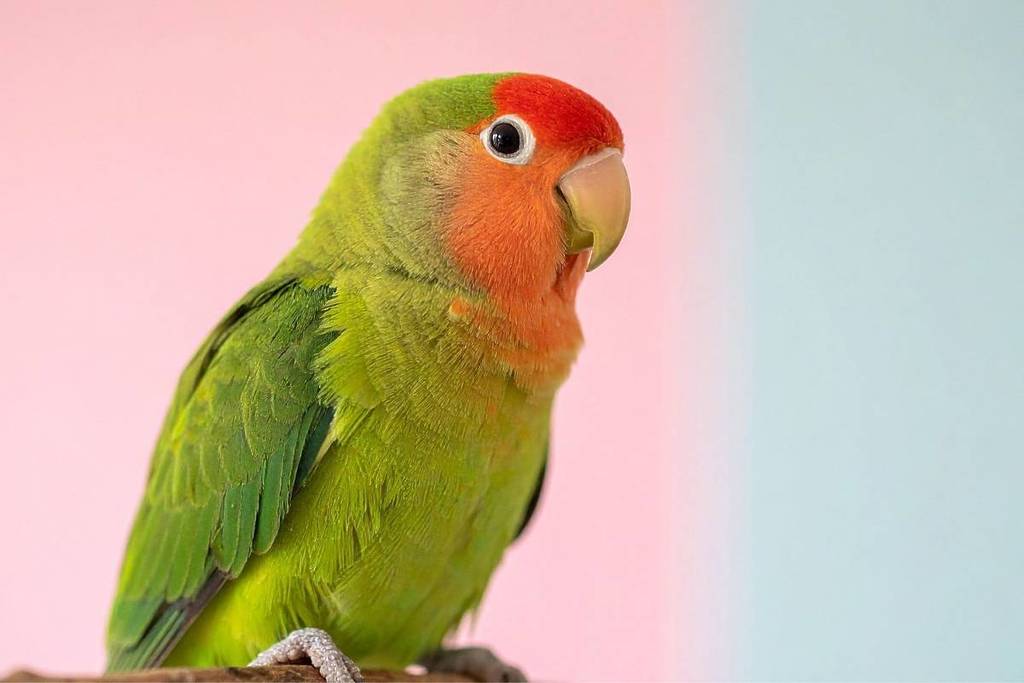

While pet parrots can bring vibrant colours and lively chatter to homes, they are increasingly becoming a source of friction in Singapore’s residential estates. According to recent data from the National Parks Board (NParks), the agency received an average of more than 800 feedback cases annually involving pet parrots between 2021 and 2025. These disputes range from concerns over excessive noise and hygiene issues to related to feathers and droppings, as well as genuine worries regarding animal welfare. Here’s what we know about the NParks parrot complaints Singapore.
The true cost of keeping a pet parrot
According to reports, the strain has reached a breaking point for some affected residents—resulting in many neighbourly tensions, and in some unfortunate cases, owners having to give up their beloved birds.
The core of the issue lies in the clash between the natural behaviours of these intelligent birds and the realities of high-rise, urban living. The Parrot Society representatives have pointed out that parrots are hardwired to communicate through ”flock calling”—a vital survival trait in the wild that helps them stay connected.
However, these loud parrot noises have become a nuisance in urban environments where neighbours live in close proximity. Particularly, when it happens during the early morning hours or late at night.
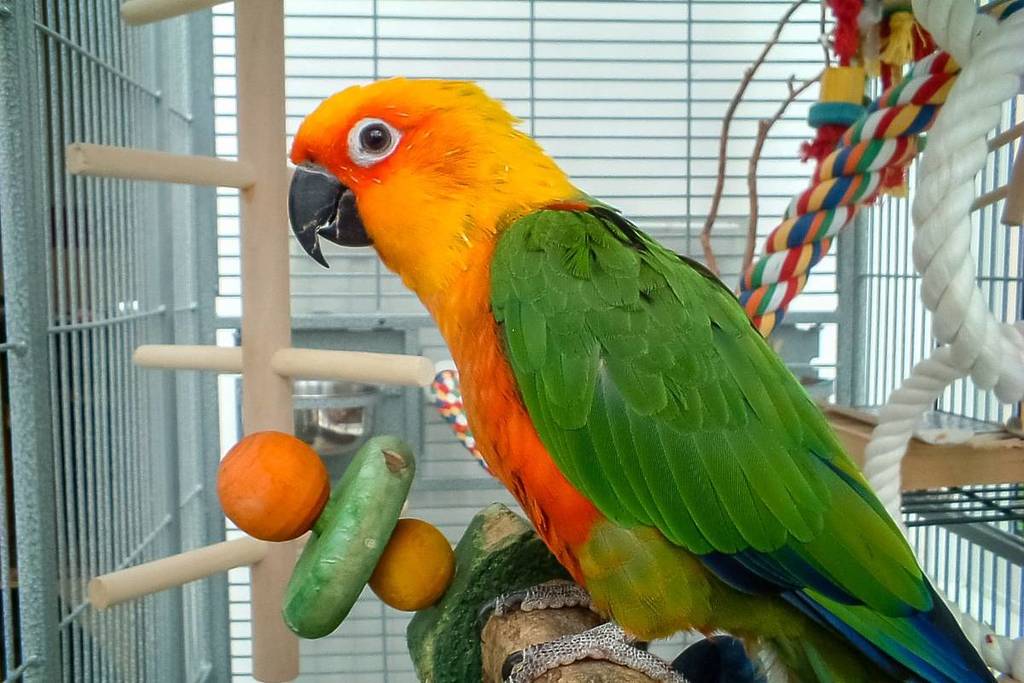
Meanwhile, experts note that sudden increases in the frequency or volume of a pet parrot’s call are rarely random. Here’s where it could stem from:
- Boredom and insufficient enrichment: A lack of mental stimulation, foraging opportunities, or toys.
- Routine disruptions: Sudden changes to their daily schedule or physical environment.
- Separation anxiety: Distress resulting from being away from their preferred human companion.
- Learned behaviours: Associating loud screeching with receiving attention or treats.
To mitigate these noise complaints, some dedicated owners have resorted to installing soundproof windows or heavy acoustic curtains. Although, experts stress that these physical barriers are limited.
Overall, the most effective long-term solution requires responsible ownership and a deep understanding of avian needs. Ensuring a parrot receives adequate social interaction and mental stimulation not only curbs disruptive behaviour but allows residents to enjoy the life these pets bring without compromising the peace of their neighbours.