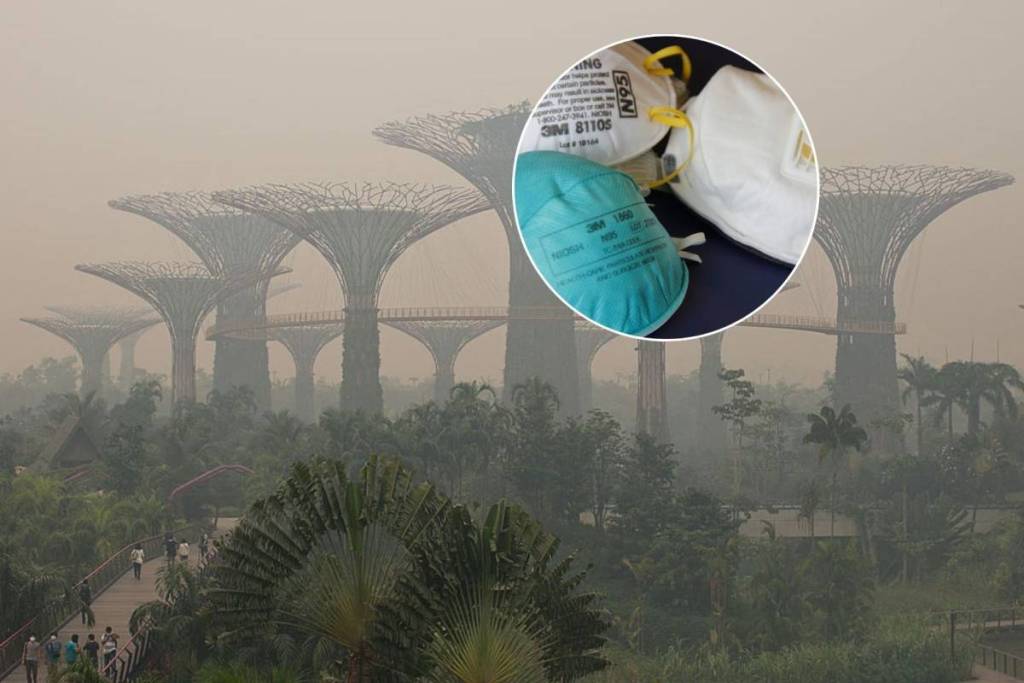

With Singapore’s 24-hour PSI reaching ranges over 200 this week and recording the worst air quality worldwide, many residents are asking: What are the essentials needed to survive the haze season? The smoky skies mean irritated eyes, sore throats, and closely monitoring air quality apps before stepping outside. In fact, this is the first time Singapore’s air quality has hit unhealthy levels since October 2023. Meanwhile, major outdoor events like the Singapore Grand Prix are seeing this unhealthy reading too—so preparation is key as thick smoke pushes towards the Lion City. Read our Singapore Haze protection guide showing what to buy and how to protect yourself.
Singapore Haze Protection Guide
The first step in haze defense is knowing exactly what to buy. Standard surgical or cloth masks won’t cut it against microscopic pollutants (PM2.5) carried by the haze. To properly protect your respiratory system as the skies change, here’s what you should stockpile right now:
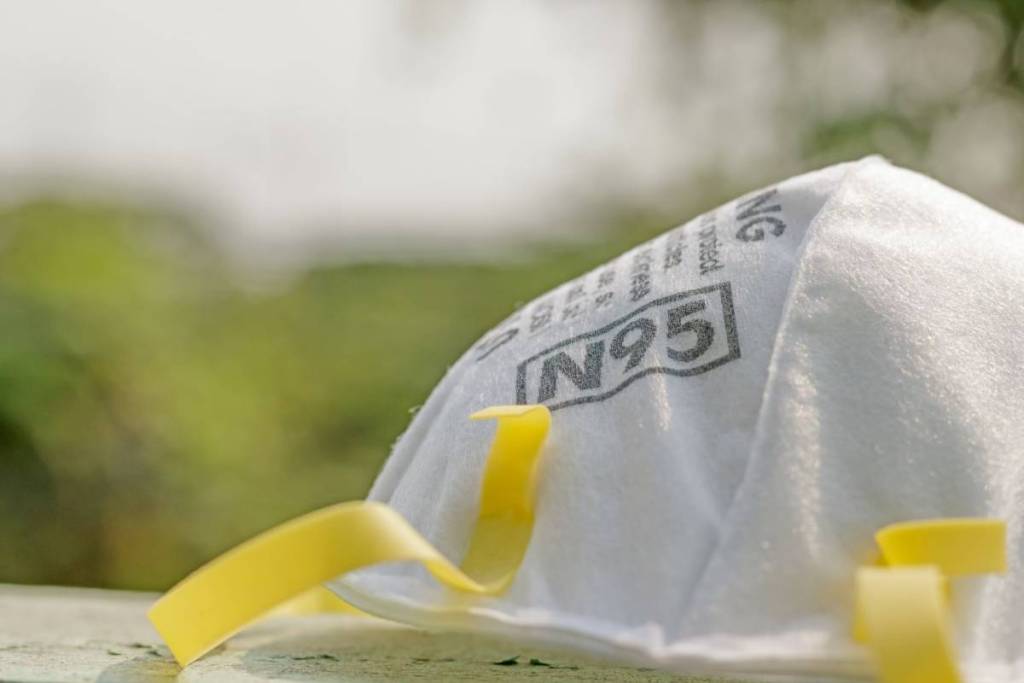
- N95 Masks: The Ministry of Health explicitly recommends these masks because they form a tight seal and filter out fine PM2.5 particles. Be sure to stock up on a few boxes now, especially if you fall into a vulnerable group.
- HEPA Air Purifiers: Ensure you have an air purifier equipped with a true HEPA filter to scrub indoor air when you are forced to keep your windows tightly shut. Don’t forget to check if your current purifier needs a replacement filter.
- Symptom Relief Supplies: Pick up lubricating eye drops to flush out irritants, throat lozenges for scratchy throats, and ensure any prescription medications such as asthma inhalers are fully stocked and within reach.
Beyond buying the right supplies, modifying your daily routine is crucial this season. Make it a habit to check the National Environment Agency’s (NEA) app for real-time or 24-hour PM2.5 readings before leaving your home. Preferably check the daily 1-hour updates. Any time PSI tips over 100, healthy individuals must reduce prolonged outdoor exposure, while the elderly, pregnant women, and children should stay indoors entirely.