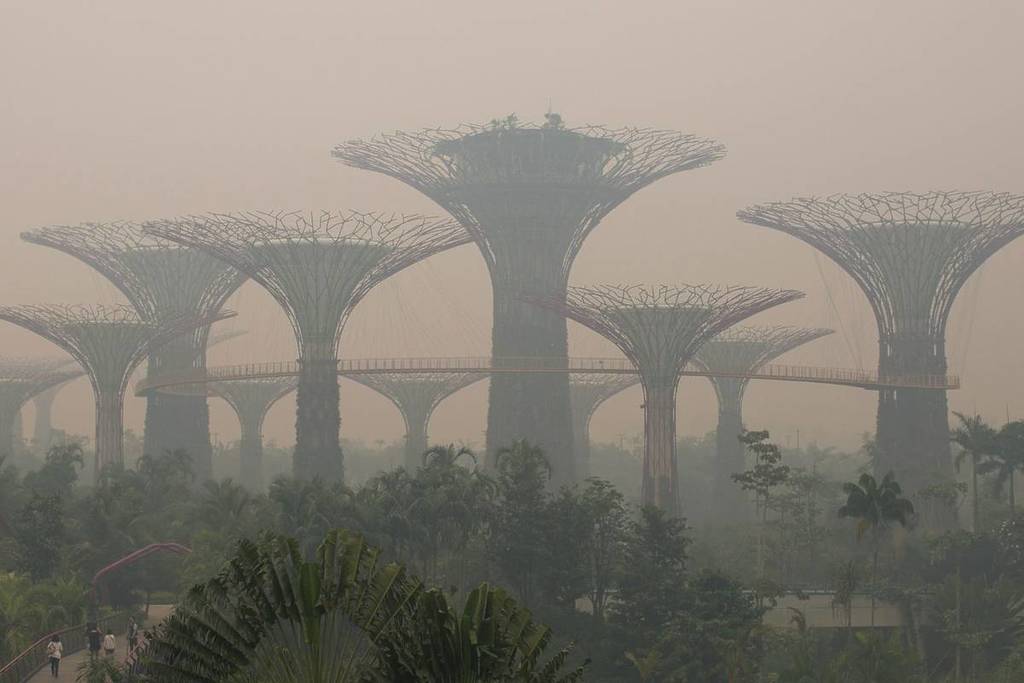

While Singapore’s air quality is currently holding steady in the Moderate Range, a massive climate threat may be on the horizon. Authorities and meteorologists across Southeast Asia are sounding urgent alarms over a projected Godzilla El Niño cycle set to hit the region this year. Experts recently warned that a perfect storm of soaring temperatures and extreme drought conditions could trigger intense forest fires, setting the stage for a severe haze crisis across Singapore, Malaysia, and Indonesia in the coming months. Here’s what we know about the haze risk in Southeast Asia.
What’s causing the projected haze risk in Southeast Asia?
The underlying numbers are already raising red flags for regional fire watchers. Dry spells started unusually early this year, triggering fire hotspots across fire-prone Indonesian provinces such as Riau, the Riau Islands, and Central Kalimantan. In Indonesia alone, over 32,600 hectares of land were scorched by the end of February 2026—nearly 20 times higher than the same period last year. Meanwhile, firefighters in parts of Sumatra and Borneo are reportedly facing exhausted operational budgets which limits their capacity to contain outbreaks.
For Singaporeans, the impending weather shift serves as a stark reminder of the smoky conditions and burning odors (triggered by the Johor fires) experienced earlier between January and April.
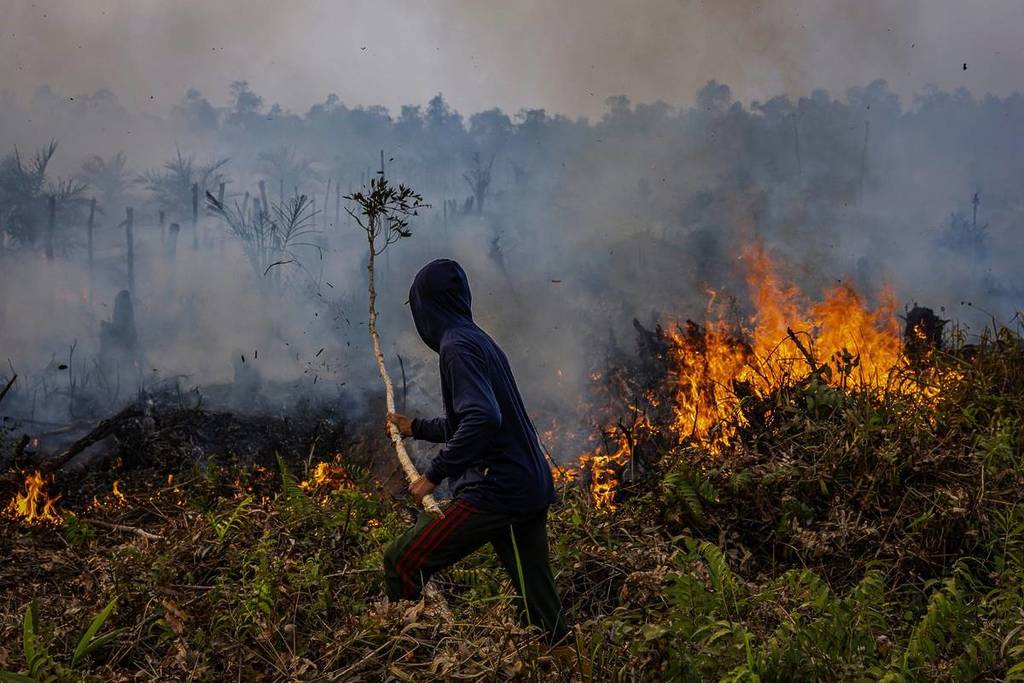
According to the ASEAN Specialized Meteorological Centre (ASMC), the risk of transboundary smoke haze will spike dramatically in June and July 2026 as prevailing winds begin blowing from the southeast and southwest. This means that Singapore could face a significantly drier and hotter second half of the year if he super El Niño intensifies.
Although, the National Environment Agency (NEA) reports that local air quality remains completely safe for normal daily activities. However, residents are advised to monitor daily PSI updates and dust off their N95 masks ahead of the dry season for haze in Singapore.