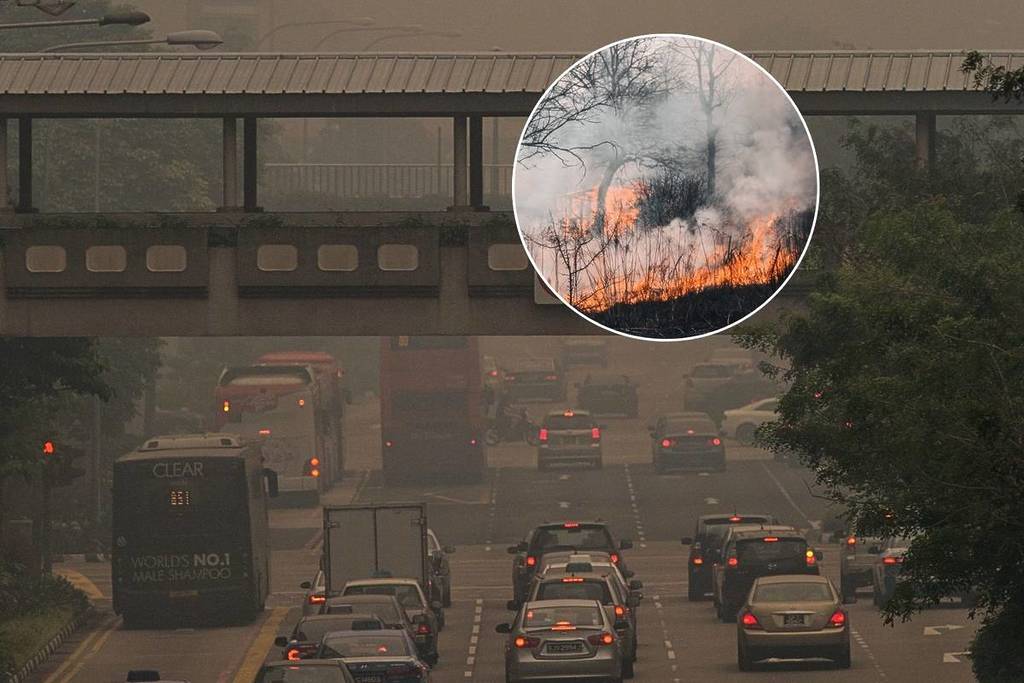

Is there a burning smell drifting through your window? As we move deeper into April, Singapore continues to grapple with lingering haze from vegetation and peat fires in neighbouring regions like Johor and Central Sumatra. Back in March, we reported residents had noticed the unmistakable Singapore haze smell which was making the air quality a little suffocating. Meanwhile, the air quality apps still show 24-hour PSI readings as a Normal or Good range adding to the confusion. Here’s what we know about the haze and air quality in Singapore this April 2026.
Why does Singapore still smell like haze?
If you are confused by the Normal PSI readings, your nose isn’t playing tricks on you. In fact, the nearby peat fires are releasing a complex mixture of gases known as Volatile Organic Compounds (VOCs). The human nose is incredibly sensitive and can detext VOCs even at extremely low concentrations (even when standard air quality can’t measure it).
Particularly, eastern neighbourhoods like Bedok or Tampines are noticing the stench after sunset. This is because the prevailing north-easterly winds have been acting as a direct conveyor belt—carrying the odorous smoke from the Johor fires straight into eastern Singapore. By evening, cooler temperatures and weaker winds trap these VOCs closer to the ground instead of dispersing them upwards. In turn, the hazy conditions linger far longer than when the smell first blanketed the island last month.
Unfortunately, the persistent haze is becoming a tangible public health issue in Singapore. Local clinics are currently reporting a 10% to 20% surge in haze-related symptoms. Doctors are treating an influx of patients for respiratory issues, asthma flare-ups, itchy eyes, sore throats, unexpected eczema outbreaks, and more.
Additionally, other news outlets are reporting that the Singapore Red Cross (SRC) plans to deploy around 700 volunteers to help protect vulnerable groups over the next three months.
Here’s how to protect yourself from haze-related illnesses:
- Check the daily air quality: Download the myENV app to check the 1-hour PM2.5 reading before leaving the house, and the 24-hour PSI to plan your entire day.
- Protect your home: Use air purifiers, close all doors and windows, skip indoor pollutants, etc.
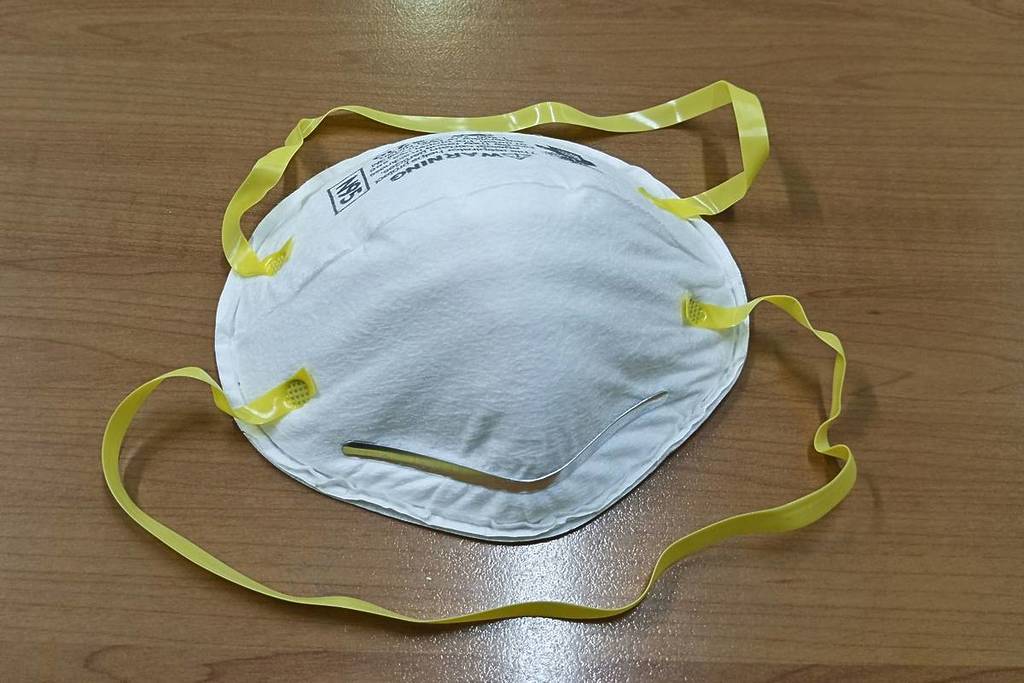
- Mask up properly: Wear an N95 mask outdoors and ensure the deal is tight.
- Take care of your body: Drink water regularly, wash your face and hands, carry medications, use eye drops, etc.
With warmer weather expected and the looming El Niño phenomenon threatening to bring even drier conditions later in the year…the region’s hot spot activity could easily intensify. Therefore, Singaporeans should stay vigilant for haze this month.