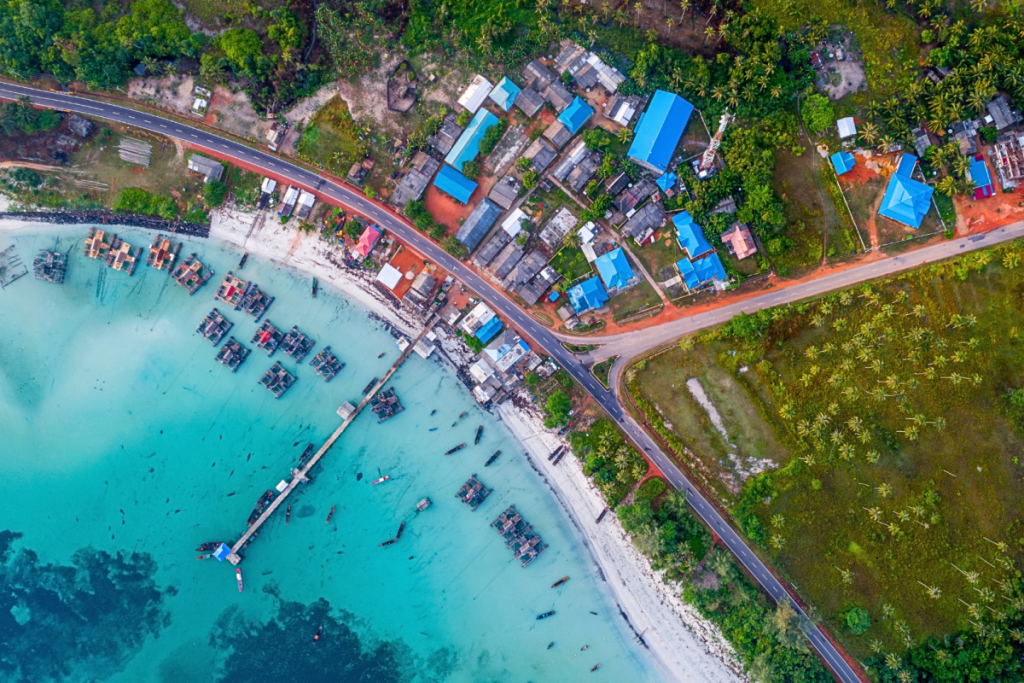

Looking for a new hidden gem to explore? When we think of a quick escape to Bintan, our minds usually goes towards the ultra-clean golf courses, luxury beach resorts, and poolside cocktails. But if you’re craving a day trip steeped in centuries-old heritage, striking architecture, and authentic cultural encounters…we’ve found a historic town just for you to explore.
Tanjung Pinang, located on the southern coast of Bintan Island, is the capital of Indonesia’s Riau Islands Province. And it’s just one hour and 45 minutes direct ferry ride from Tanah Merah Ferry Terminal in Singapore. Here’s why Tanjung Pinang needs to be on your bucket list.
Tanjung Pinang’s History
The bustling port town is steeped in centuries of maritime history and is an entirely different world to rest of Bintan Island. Its name translates to Cape of the Areca Palm, the town became a strategic trading outpost, falling under the influence of Malay sultanates, the Dutch, the British, and the Japanese.
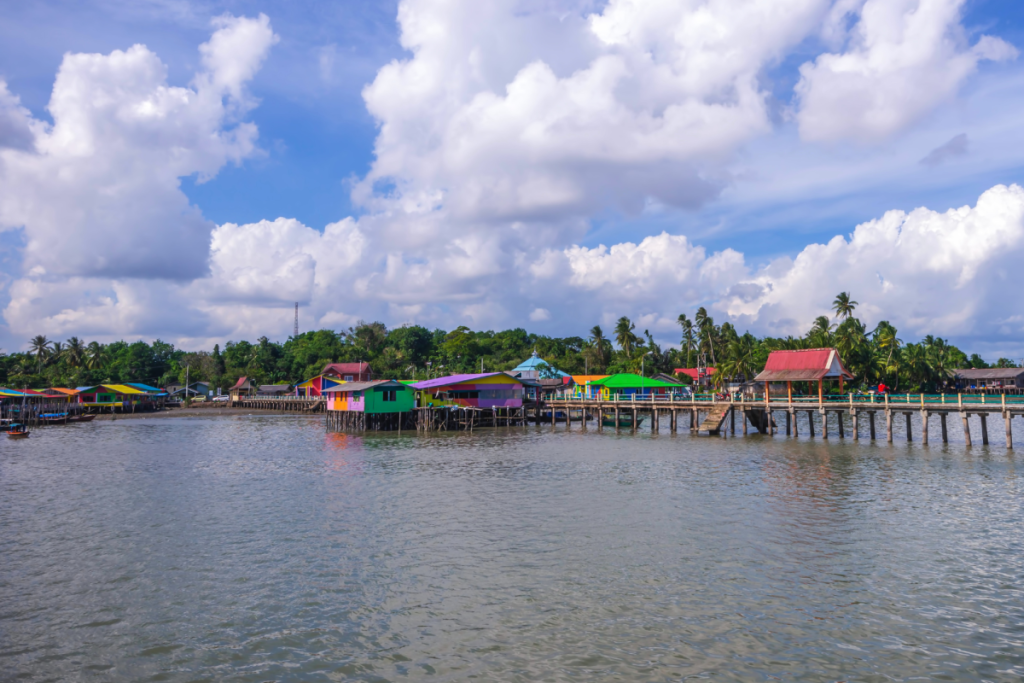
Today, the historic town’s architectural landscape showcases its diverse past. You can stroll down narrow streets lined with old Chinese shophouses featuring traditional five-foot ways, which are covered galleries that have sheltered pedestrians from tropical sun and rain for generations.
Things to do in Tanjung Pinang
Start your adventures with a 15-minute pompong ride across the harbour to Penyengat Island. This tiny, car-free island was once the administrative and intellectual heart of the mighty Johor-Riau-Lingga Sultanate.
Visitors can see the Sultan Riau Grand Mosque (Masjid Raya Sultan Riau) which is strikingly beautiful. It features vibrant yellow walls and green domes, while local legend says the mosque’s mortar was famously mixed with egg whites presented as gifts by loyal subjects. Plus, there’s plenty of royal tombs, 18th century palace ruins, and old stone forts overlooking the sea.
Interestingly, Penyengat Island is also considered the birthplace of the modern Indonesian language. In fact, royal scholars published the first Malay grammar dictionaries here.
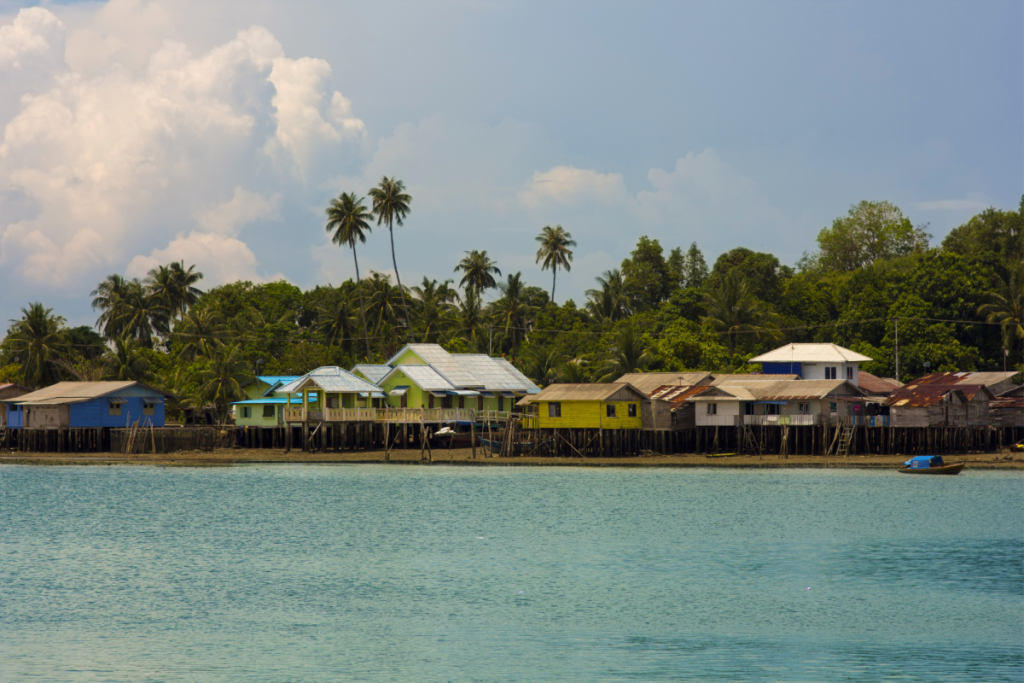
Additionally, you need to visit Bintan’s oldest Chinese settlement known as Senggarang. It’s a traditional water village where wooden houses and centuries-old temples are elevated on high stilts to adapt to the changing tides. It offers a fascinating glimpse into the lives of early Chinese immigrants who settled here when the Dutch declared Tanjung Pinang a free port in 1828.
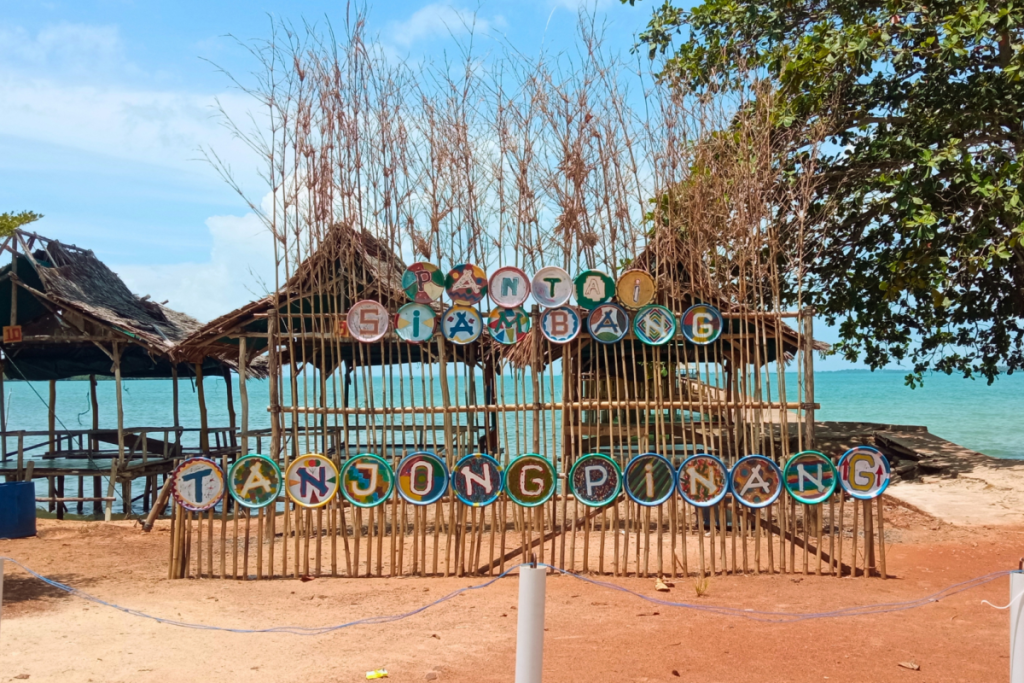
Other cool temples to explore are the oldest temple on the island Sun Te Kong and the surreal ancient shrine known as Banyan Tree Temple—a hidden gem engulfed by nature. Plus, there’s a snail-shaped cultural hub on the waterfront known as Gedung Gong Gong and a lovely beach to relax at.
What to eat in Tanjung Pinang
The old town’s culinary scene offers a wonderful mix of bustling street food and ocean view dining. Grab a quick seafood breakfast at the vibrant wet market Pasar Baru II or tuck into oyster omelette, sizzling noodles, or sweet coconut treats under the lanterns of legendary open-air hawker centre Akau Potong Lembu by nightfall.
Otherwise, there’s many delicious cafes and restaurants offering sweeping panoramic views of the sea. Plus, you can’t forget to try charcoal-roasted coffee in a weathered back alley kopitiam or slurp fresh sea snails along the street.
How to get there
Travellers from Singapore can hop on a quick direct ferry daily from Tanah Merah Ferry Terminal straight to Tanjung Pinang. With no flights or airport queues, it’s the perfect weekender or day trip across the Singapore Strait.