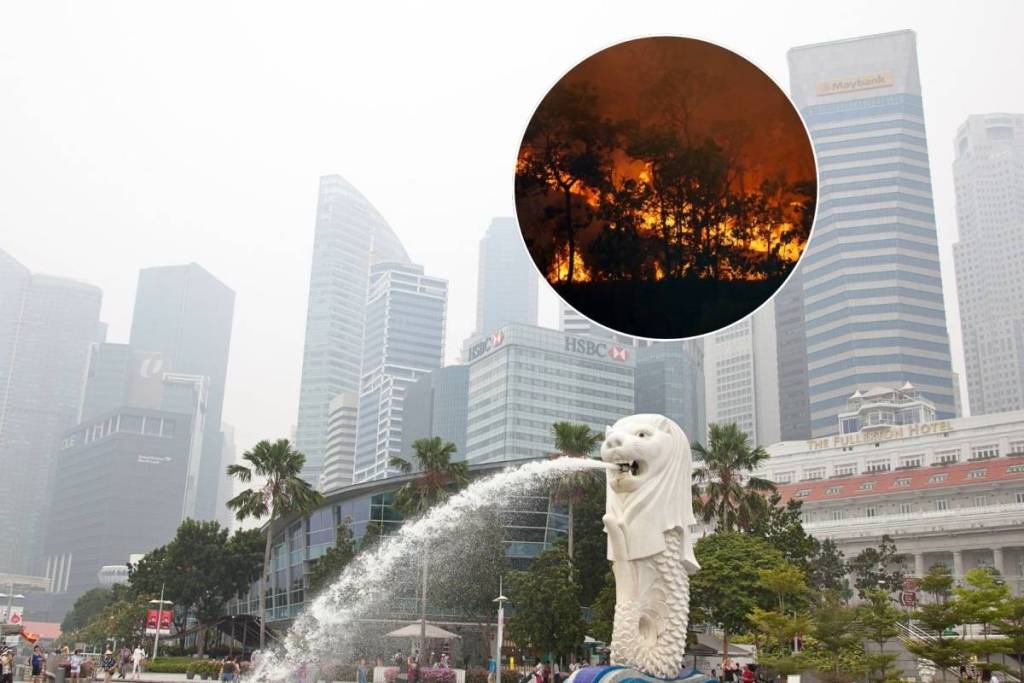

Singapore is officially on high alert as the threat of severe transboundary haze looms over the island. As of today, the 24-hour Pollutant Standards Index (PSI) has steadily climbed, pushing into the 90s in the central region. This means PSI is currently hovering in the upper limits of the Moderate range and these readings are uncomfortably close to the 100-point threshold that triggers an official Unhealthy air quality classification. Here’s the key details on today’s PSI haze Singapore.
What’s driving the current haze crisis?
With smoke plumes thickening just across the Singapore Strait, residents are waking up to increasingly hazy skylines and the acrid smell of burning vegetation.
The reason for this escalating environmental crisis is a severe spike in agricultural and forest fires across Indonesia—intensified by a strong El Niño climate pattern and prolonged dry weather.
Authorities have recorded over 5,100 hotspots across Sumatra and Kalimantan in August. In fact, it’s the highest number for a month since the historic 2015 haze crisis. Driven by prevailing southeasterly winds, the dense smoke is drifting directly toward the Malay Peninsula, already pushing neighbouring Malaysian cities like Kuching to record some of the worst air quality levels in the world this week.
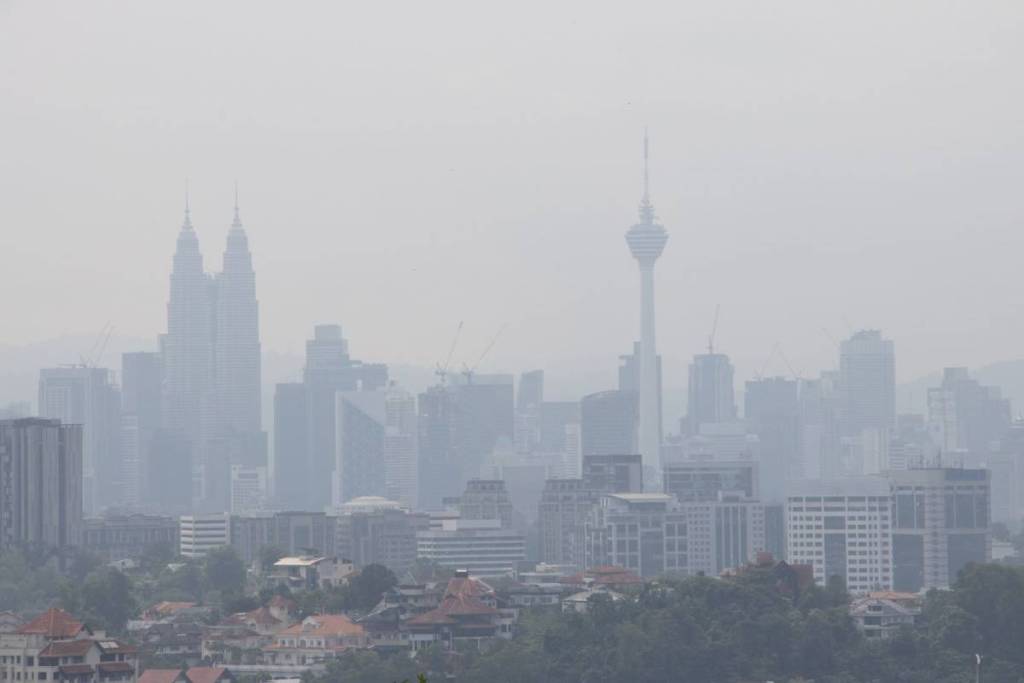
In response to the PSI Singapore haze threat, the government has stepped up its air quality monitoring and mitigation efforts. The National Environment Agency (NEA) and its 28-agency Haze Task Force are currently on standby, ready to deploy tiered action plans the moment the PSI crosses into unhealthy territory. Discover our Singapore Haze Protection Guide here.
Adding to the concern, a rare Red alert recently flagged August and September 2026 as the peak danger period for the region.
Meanwhile, health officials are urging residents to take proactive measures rather than waiting for conditions to worsen. Vulnerable groups including the elderly, pregnant women, and those with chronic respiratory illnesses are advised to limit prolonged outdoor exposure. Plus, locals are encouraged to stock up on N95 masks, ensure indoor air purifiers are ready, and frequently check the official updates before heading outside. Especially during major upcoming events like the Singapore Grand Prix.